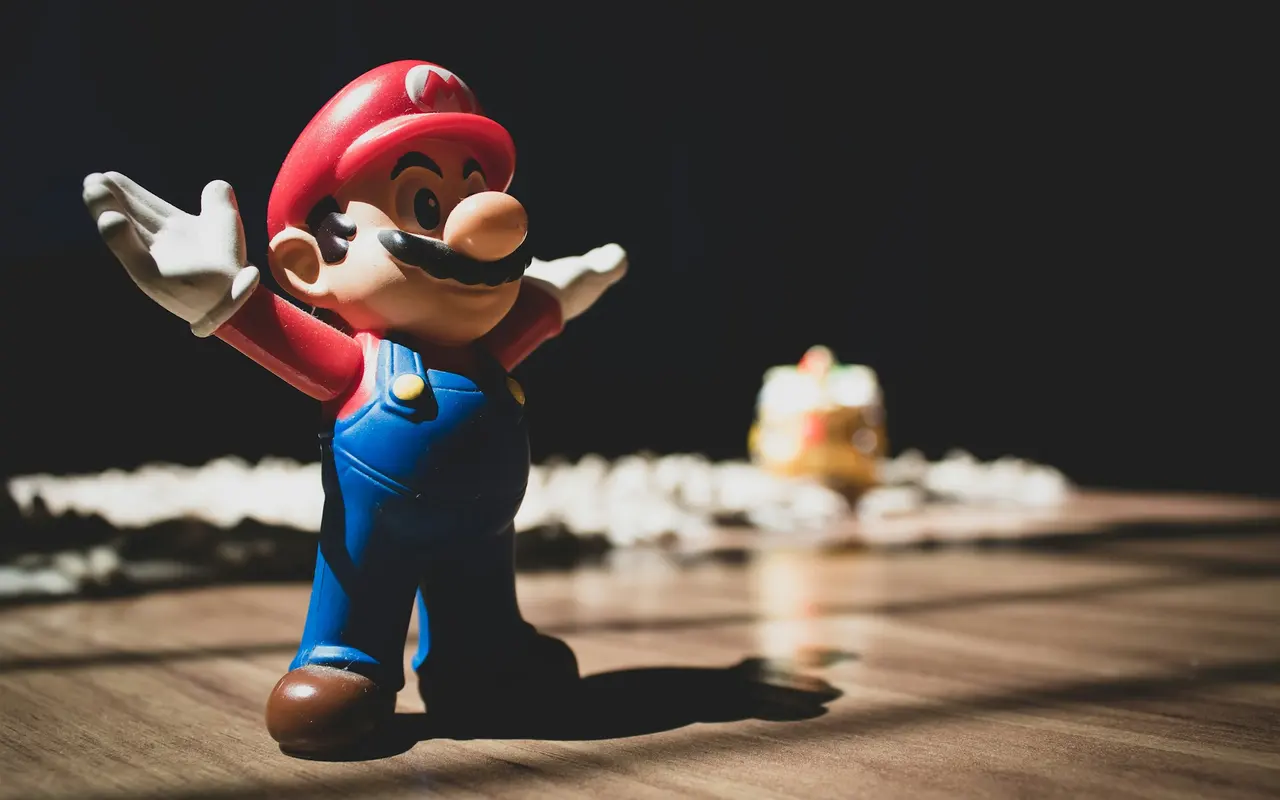
Super Mario World: The Ultimate Platformer That Defined a Generation
Ah, Super Mario World. Just typing those words brings back a flood of memories – the pixelated jumps, the triumphant trumpet fanfare, and that unmistakable...
Super Mario World: The Ultimate Platformer That Defined a Generation
Ah, Super Mario World. Just typing those words brings back a flood of memories – the pixelated jumps, the triumphant trumpet fanfare, and that unmistakable sense of adventure that hooked millions of gamers back in the early ’90s. If you’re a gamer from my era or even someone diving into retro gaming today, you know exactly what I’m talking about. Released in 1990 for the Super Nintendo Entertainment System (SNES), Super Mario World wasn’t just another game; it was a masterpiece that elevated the platforming genre to new heights. As we celebrate its enduring legacy in 2025, let’s dive deep into what makes this game a timeless classic. From its overview and story to gameplay mechanics, critical acclaim, and cultural impact, we’ll explore why Super Mario World remains one of the greatest video games ever made. Buckle up, fellow gamers – this is going to be a nostalgic ride!
A Quick Game Overview: Setting the Stage for Glory
Super Mario World, developed and published by Nintendo, hit the scene as the flagship title for the SNES. In Japan, it launched on November 21, 1990, followed by North America on August 23, 1991, and Europe in April 1992. Created by the legendary team at Nintendo Entertainment Analysis & Development (EAD), led by director Takashi Tezuka and producer Shigeru Miyamoto – the visionary behind Mario himself – this game was designed to showcase the SNES’s capabilities. It was the first Mario game on the 16-bit console, following the success of Super Mario Bros. 3 on the NES.
At its core, Super Mario World is a 2D side-scrolling platformer where you control Mario (or Luigi in two-player mode) on a quest to rescue Princess Peach from the clutches of Bowser and his mischievous Koopalings. The game spans 96 levels across eight expansive worlds, each themed around different landscapes like grasslands, deserts, forests, and even underwater realms. What set it apart was its polished graphics, vibrant colors, and the introduction of Yoshi, Mario’s trusty dino companion who could eat enemies and spit them out as projectiles.
The game sold over 20 million copies worldwide, making it one of the best-selling video games of all time. It was bundled with the SNES in many regions, ensuring it reached a massive audience. But beyond the sales figures, Super Mario World redefined what a platformer could be, blending accessibility with depth that appealed to newcomers and veterans alike.
Story Analysis: A Simple Yet Charming Tale of Heroism
Let’s talk story – or should I say, the loose narrative that ties this epic together. Super Mario World doesn’t boast a Shakespearean plot; it’s straightforward, whimsical, and perfectly suited to its gameplay. The premise is classic Mario fare: Bowser, the king of the Koopas, has kidnapped Princess Peach and turned Dinosaur Land into his personal playground. With the help of his seven Koopalings, he’s wreaking havoc, transforming peaceful dinosaurs and inhabitants into minions.
Mario, the heroic plumber from the Mushroom Kingdom, arrives to set things right. Along the way, he meets Yoshi, a friendly dinosaur who becomes his steadfast ally. The story unfolds through a world map, where each conquered castle reveals a Koopaling boss battle, and defeating them uncovers clues to Bowser’s fortress.
What makes the story engaging is its simplicity and charm. There’s no deep lore or complex backstories – just pure, unadulterated fun. The game’s narrative is told through brief cutscenes, level themes, and that iconic map screen, where you can see your progress visually. It’s a fairy tale in pixels: good vs. evil, with a dash of exploration and discovery. The introduction of Dinosaur Land as a setting adds a prehistoric twist, contrasting the Mushroom Kingdom’s fantasy vibe.
Critics and fans alike appreciate how the story serves the gameplay rather than overshadowing it. There’s no forced drama or lengthy dialogues; instead, the plot propels you forward, encouraging you to explore every nook and cranny. For modern gamers, this might feel quaint compared to today’s sprawling narratives in games like The Legend of Zelda: Breath of the Wild, but that’s its strength – it’s efficient, memorable, and leaves room for imagination. Plus, the emotional beats, like Yoshi’s loyalty or the triumphant rescues, still hit hard after all these years.
Gameplay Mechanics: Mastering the Art of Platforming
Now, onto the meat of what makes Super Mario World sing: its gameplay mechanics. This game is a masterclass in platforming, building on the foundations laid by Super Mario Bros. and Super Mario Bros. 3 while introducing innovations that felt revolutionary at the time.
Core Controls and Movement
Mario’s controls are intuitive yet precise. You move with the D-pad, jump with B, and run with Y. The SNES controller’s shoulder buttons allow for spinning jumps (a new mechanic here), where Mario twirls in the air to defeat enemies or break blocks. Ground pounds, wall jumps, and the ability to pick up and throw items add layers of skill. The game emphasizes momentum and timing – a well-timed jump can save you from pitfalls, while a mistimed one sends you plummeting into lava.
Levels and Design
Each of the 96 levels is a self-contained adventure, ranging from straightforward platformers to puzzle-heavy challenges. Worlds are thematically diverse: Grass Land’s idyllic plains, Desert Land’s scorching dunes, Water Land’s aquatic depths, and more. Secret exits, hidden paths, and warp zones reward exploration, encouraging multiple playthroughs. The level design is forgiving for beginners but punishingly precise for speedrunners – think tight jumps over spikes or timed switches that open doors.
Power-Ups and Abilities
Power-ups are the spice of life in Super Mario World. Start as small Mario, but grab a Super Mushroom to grow, or a Fire Flower to shoot fireballs. The Cape Feather lets you fly with the cape, and the Starman grants temporary invincibility. Yoshi adds versatility: ride him to cross gaps, eat enemies to gain abilities (like spitting shells or turning into eggs), and even flutter jump higher. The game balances these power-ups perfectly – they’re empowering without making the game trivial.
Multiplayer and Extras
Two-player mode lets Luigi join the fun, with cooperative elements like sharing Yoshi or competing in mini-games. There are also bonus stages, ghost houses with eerie mazes, and switch palaces that alter the world map. The game tracks lives, coins, and time, with a scoring system that unlocks secret areas.
What stands out is the game’s balance of challenge and accessibility. It’s not frustratingly hard like some retro titles; it’s fair, with checkpoints and save states that let you progress steadily. For enthusiasts, the mechanics encourage experimentation – can you beat a level without power-ups? Or find all 96 exits? This replayability is key to its longevity.
Why Super Mario World Is Considered One of the Best Games of All Time
So, why does Super Mario World top so many “best games” lists, even 35 years later? Let’s break it down with a modern lens, analyzing what made it groundbreaking then and why it endures now.
First, innovation: It pushed the boundaries of 2D platforming. The SNES’s Mode 7 effects created pseudo-3D visuals in bonus areas, like the spinning rooms or the iconic Bowser battles. Yoshi’s introduction added a companion dynamic, influencing pet mechanics in games like Sonic’s Tails or modern titles like Kirby’s Dream Land.
Second, design philosophy: Miyamoto’s focus on “fun first” shines through. Every element – from the bouncy physics to the rewarding sound effects – is crafted for joy. The game teaches through play: you learn mechanics organically, not via tutorials. This approach inspired countless developers, emphasizing player agency over hand-holding.
Third, replayability and depth: With multiple exits per level, secret worlds, and the Special Zone, the game offers hundreds of hours of content. Speedrunning communities still thrive, with records broken regularly. It’s not just about beating it once; it’s about mastering it.
Fourth, cultural resonance: As a SNES launch title, it defined a generation. For kids in the ’90s, it was the gateway to gaming. Today, it represents the golden age of Nintendo, where quality trumped quantity.
Compared to modern games, Super Mario World holds up because its core loop – explore, jump, collect, repeat – is timeless. While open-world adventures like Super Mario Odyssey offer more freedom, SMW’s focused design reminds us that great games don’t need bells and whistles. It’s cited in lists like IGN’s Best Mario Games and Kotaku’s rankings, often placing in the top 3. Gaming journalists praise its influence on platformers, calling it a “blueprint for excellence.”
In essence, Super Mario World is the platonic ideal of a video game: simple yet profound, accessible yet challenging, and endlessly entertaining.
Critical Reception: Acclaim That Echoes Through Time
When Super Mario World dropped, critics were floored. It received universal praise, scoring perfect or near-perfect reviews. On Metacritic, it aggregates an 87/100, but that’s modern retrograding; contemporary scores were higher. Nintendo Life and IGN retrospectives hail it as a masterpiece.
Reviewers lauded its graphics, which were a leap forward – vibrant sprites, detailed backgrounds, and smooth animations. Sound design, with Koji Kondo’s catchy tunes, was another highlight. GameFAQs users call it “an all-time great living legend,” praising its balance and innovation.
Some noted minor flaws: occasional level repetition or the lack of true multiplayer depth. But these are nitpicks; the consensus was overwhelming positivity. It won awards like Game of the Year and influenced gaming journalism’s focus on design.
Even today, as seen in 2025 rankings (like Nintendo Life’s Best Mario Games), it consistently ranks high, proving its staying power.
Legacy and Impact: Shaping Gaming’s Future
Super Mario World’s legacy is immense, touching every corner of gaming culture.
Influence on the Industry
It popularized 2D platformers, inspiring franchises like Sonic the Hedgehog and Mega Man. Yoshi became a staple, spawning spin-offs. The game’s design principles influenced 3D Mario titles like Super Mario 64, which borrowed its exploration ethos.
On Nintendo’s history, it cemented the SNES as a powerhouse and Mario as a cultural icon. It paved the way for modern Mario games, with elements like power-ups and companions recurring.
Cultural Impact
Beyond gaming, Super Mario World entered pop culture. It appeared in movies, TV shows, and memes. The “Mario” theme is hummed by millions. It fostered communities: speedrunners, ROM hackers, and fan art creators keep it alive.
In education, it’s used to teach game design – its feedback loops and level progression are case studies. For younger gamers, remasters like Super Mario World: Super Mario Advance 2 (on GBA) and the SNES Classic edition introduced it to new audiences.
Enduring Appeal
In 2025, with VR and AI games, Super Mario World reminds us of simplicity’s power. It’s played on emulators, streamed on Twitch, and referenced in indie games. Its impact? It democratized gaming, showing that fun, well-designed games can unite generations.
Conclusion: A Timeless Jump into Nostalgia
Super Mario World isn’t just a game; it’s a portal to joy, a benchmark for excellence, and a fond memory for millions. From its charming story and intuitive mechanics to its critical acclaim and lasting influence, it embodies what makes gaming magical. If you haven’t played it lately, dust off your SNES or fire up an emulator – it’s a reminder why we fell in love with games in the first place.
As we look to the future, with Mario celebrating 40+ years, titles like this ensure the plumber’s legacy endures. Thanks for joining me on this nostalgic journey. What’s your favorite level in Super Mario World? Drop a comment below – let’s keep the conversation going!
(Disclaimer: This post draws from publicly available information on sites like Wikipedia, IGN, and Nintendo Life as of 2025.)